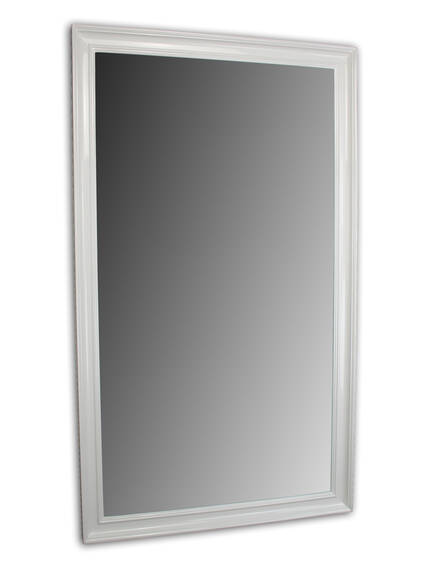
The hallway is the first interior anyone sees, and usually the one with the least wall to work with. In my workshop I make hallway mirrors to measure, set in wooden frames that are hand-painted or gilded with genuine gold leaf. Size, proportion and finish are chosen for a particular wall, so the mirror fits the space rather than the other way round.
Hallway mirrors made in my workshop
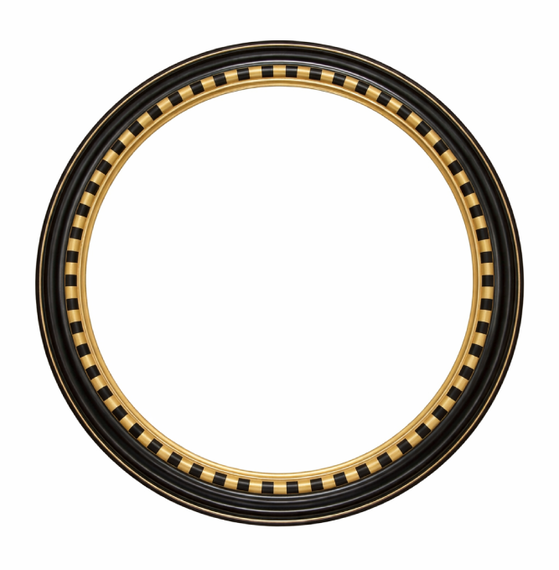
This section gathers the pieces that suit hallways and narrow corridors — tall vertical formats, slim mouldings for tight walls, and wider frames for an entrance hall with more room. Rectangular shapes suit most hallways; round frames and softly rounded corners are made on particular designs.
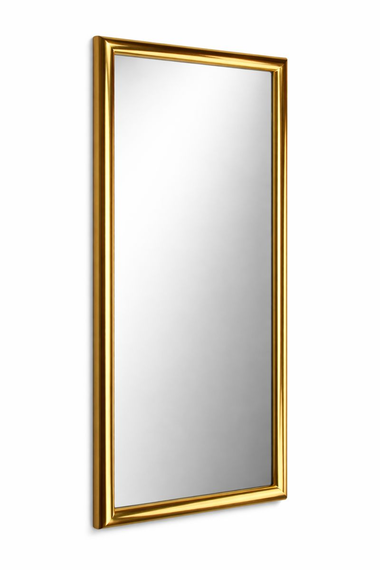
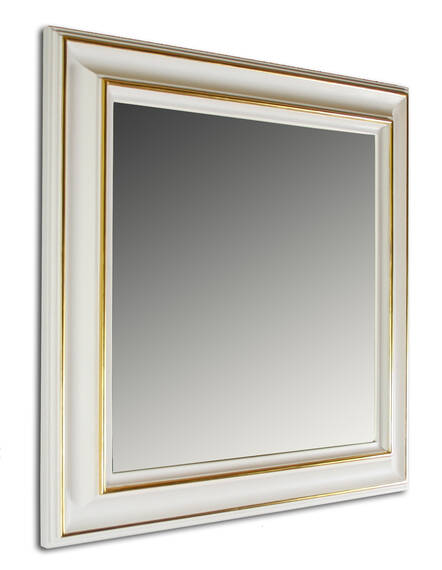
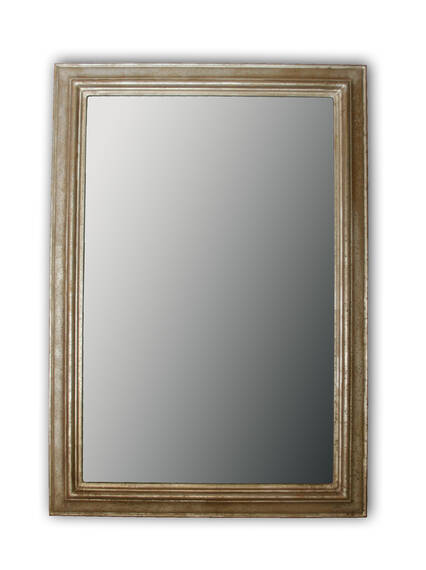
- Gilded frames — hand-gilded with genuine gold leaf in 23-karat yellow gold, 22-karat moon gold, 12- and 6-karat white gold, or with genuine silver leaf.
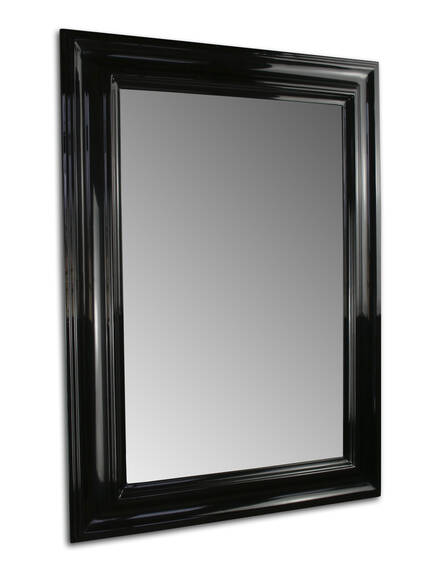
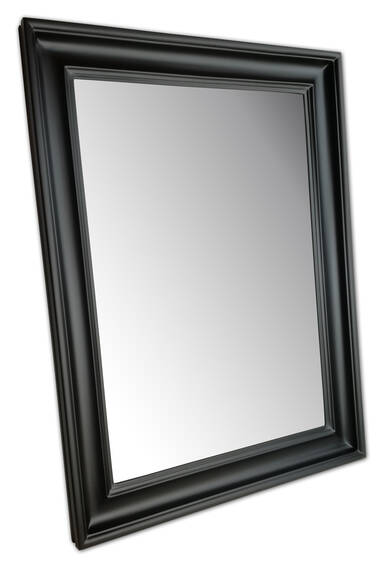
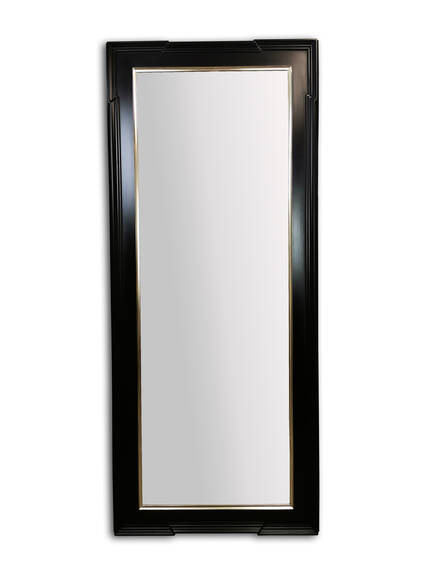
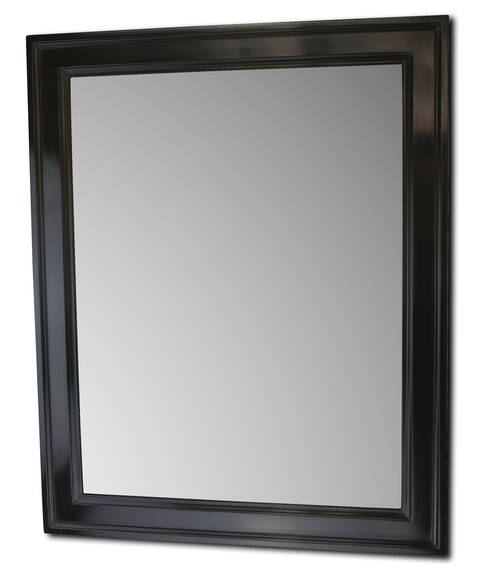
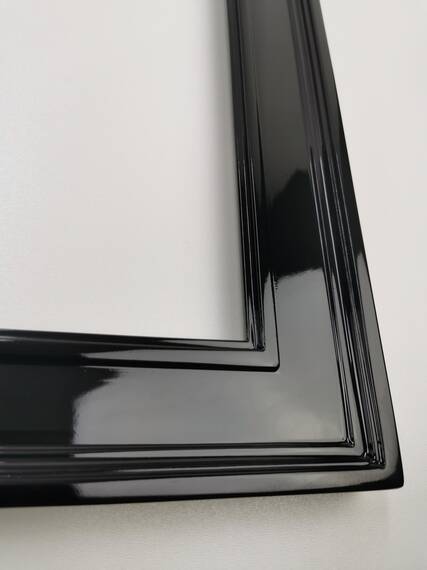
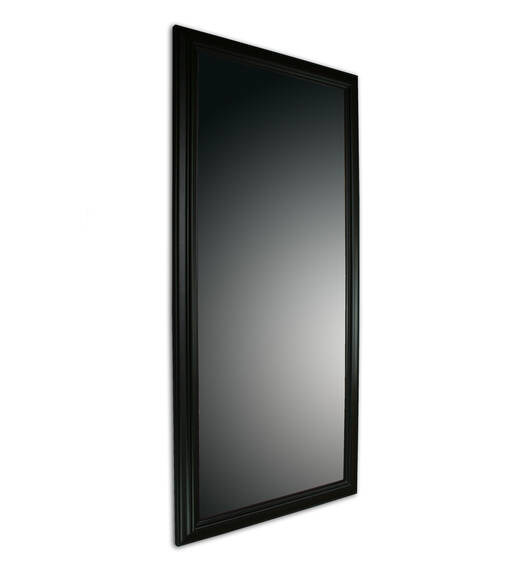
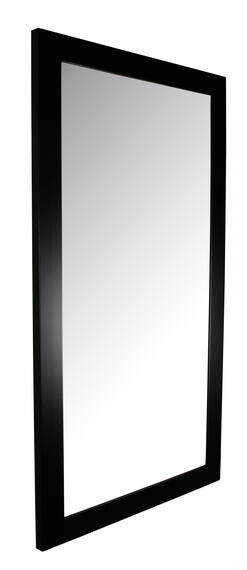
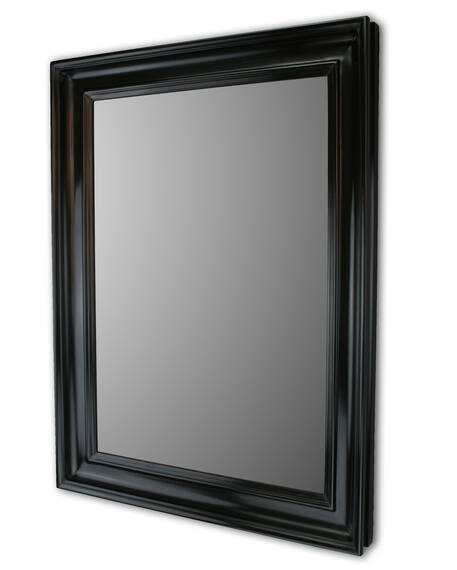
- Black frames — satin semi-matte or high-gloss lacquer, drawing a defined outline against a light wall.
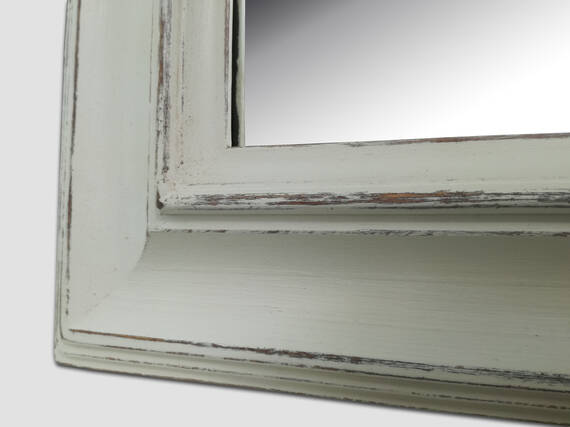
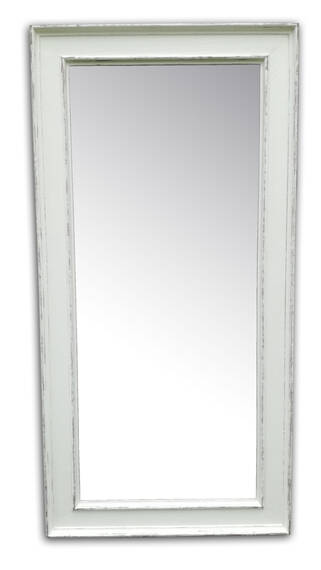
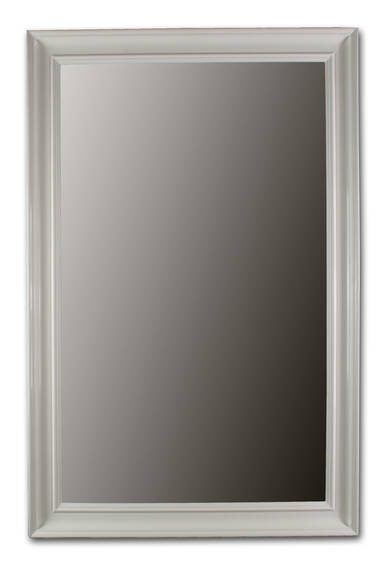
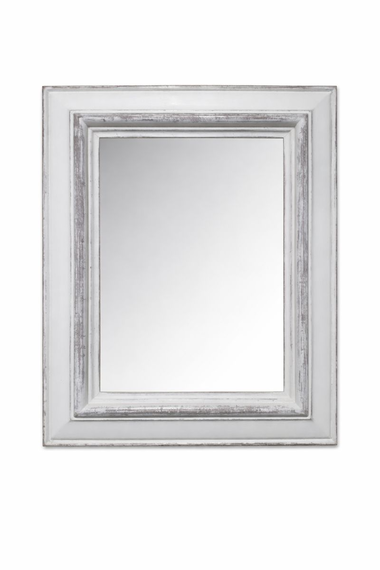
- White and off-white frames — including hand-distressed shabby chic and vintage finishes.
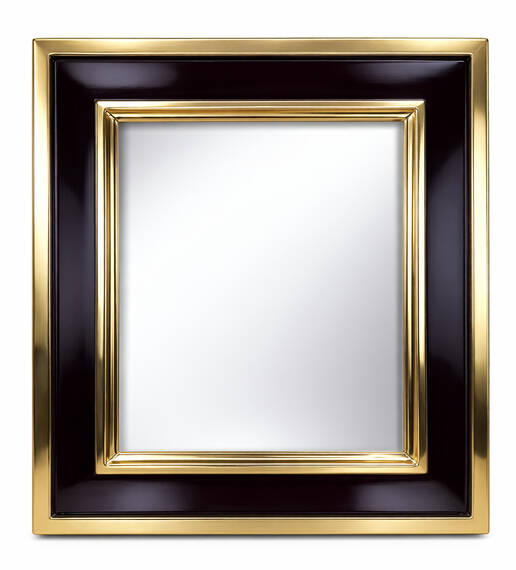
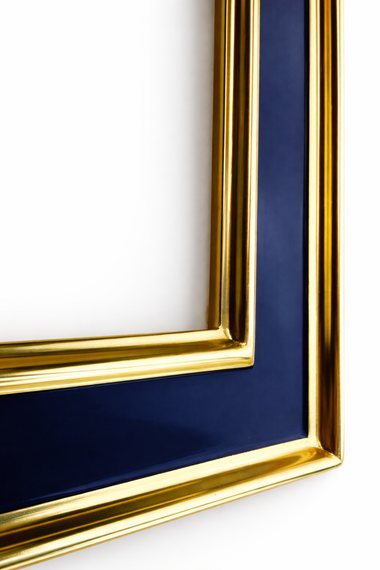
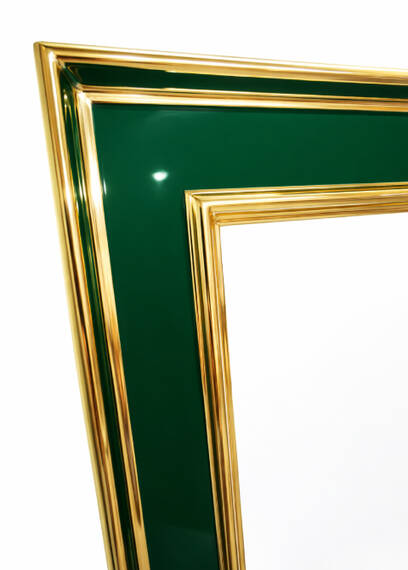
- Painted frames with a gilded edge — bottle green, navy, burgundy, blue, turquoise or cream panels with gold leaf along the inner profile; close in character to my glamour mirrors.
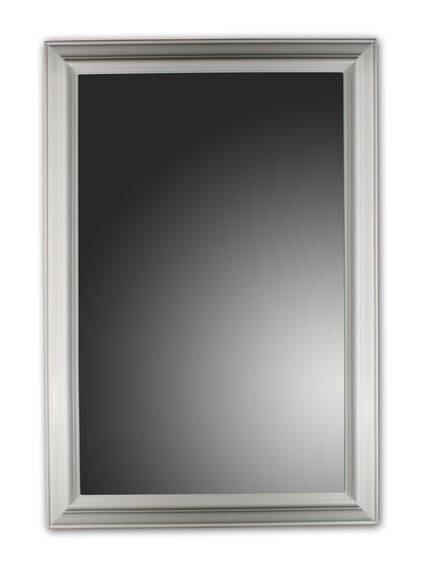
- Slim modern profiles — mouldings from around 18 mm, for entrances where the frame should stay quiet.
The wider selection across all rooms sits under decorative mirrors.
Choosing the right size for a hallway
Three things decide the format: the width of free wall, the ceiling height, and how much daylight reaches the space.
- In a narrow corridor a tall vertical mirror does the most work — it draws the eye upward without taking width. Formats such as 50 × 150 cm, 60 × 160 cm or 70 × 180 cm are the usual choices.
- In a wider entrance hall, one large mirror above a console reads better than several small pieces. As a rough guide, the mirror covers around 60–70% of the width of the furniture below it.
- Hung centrally, the middle of the glass usually sits about 150–160 cm from the floor.
- A mirror facing a window, a glazed front door or a wall light sends that light back into the hallway — the simplest way to make a small space feel larger.
- Most models are listed from 50 × 70 cm up to 100 × 120 cm, with taller formats such as 80 × 180 cm on particular designs.
More on proportions, hanging heights and styles is set out in my guide to choosing a hallway mirror.
Frames, finishes and gilding
Frames are cut, joined and finished by hand from high-quality wood, and on most models the corners are joined with wooden dowels — a joint that holds as humidity changes through the year. Painted frames are built up in layers and sanded between coats, on the face and along the sides of the moulding, from a paint range covering more than a hundred shades in satin, semi-matte or high gloss.
On gilded models the leaf is laid by hand, sheet by sheet, and where the design calls for it the frame is prepared with bole and water-gilded, which allows the gold to be burnished. The tone matters more than photographs suggest: 23-karat yellow gold is warm and bright, 22-karat moon gold quieter and slightly cooler, and 6- and 12-karat white gold read as silver without tarnishing.
Mirror glass, bevel and mounting
Mirrors are made with SGG Miralite® Pure Diamant 4 mm glass in OptiWhite grade — clear and neutral in tone, without the greenish cast of standard mirror glass; ClearVision 4 mm is used on some models. A ground bevel can be added around the edge of the glass for a surcharge, with the maximum width given on each product page. The backing is MDF, and every mirror arrives with wall brackets already fitted. If the same mirror is also to serve a bathroom, a heating mat can be added behind the glass to keep it clear of condensation.
Ordering a made-to-measure hallway mirror
Every mirror is made to order, and the details are settled before work starts: exact dimensions, including sizes outside the listed range; vertical or horizontal setting; frame colour and sheen; gold tone, where the design is gilded; and a ground bevel on the glass. Lead time is shown on each product page and confirmed once size and finish are agreed, and finished mirrors are packed in a wooden crate for transport.
If you are unsure which proportion suits a particular wall, send me the measurements and I will suggest a format. The full range of shapes and finishes is available under mirrors in frames made to measure.
Frequently asked questions
Where is the best place to hang a mirror in a hallway?
Above a console or bench, on the longer side wall to lengthen the perspective, or opposite the entrance as the first thing you see. Facing a window or a wall light gives the strongest effect in a dim hallway.
Can I order a size that is not on the list?
Yes. Send the height and width you need and the size will be added to the product page, so it can be ordered directly through the shop.
How long does a hallway mirror take to make?
The lead time for each model is shown on its product page and confirmed once size and finish are agreed. During busy periods it can run longer than stated, so it is worth writing first if you have a fixed deadline.
How should the mirror be cleaned?
Clean the glass with a soft cloth and a mild, ammonia-free glass cleaner. Wipe gilded or painted frames with a dry, soft cloth, and keep water off the frame itself.