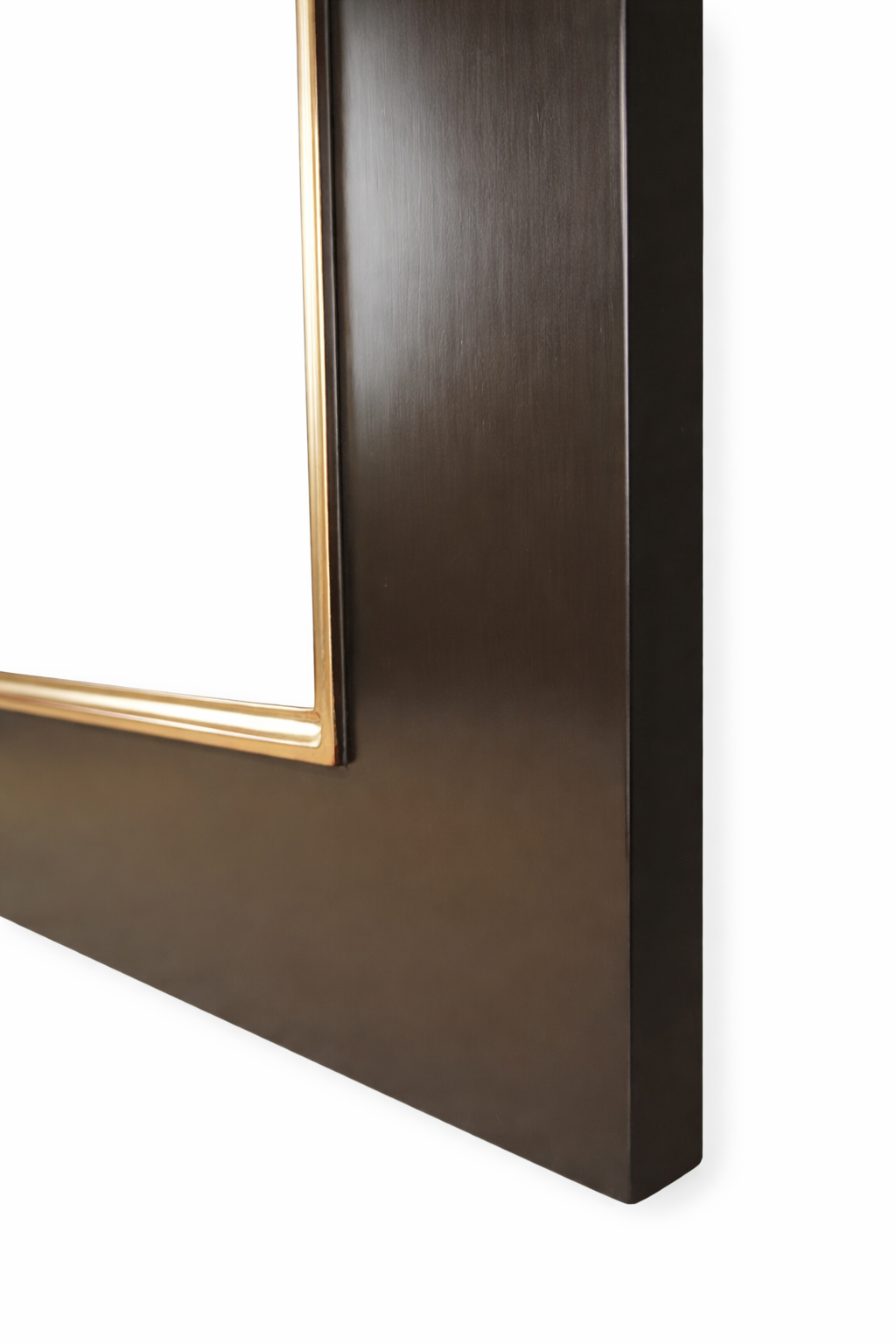
Picture Frame Styles: Classic, Gilded and Modern, and How to Choose
The style of a frame is rarely a small decision. The profile, the finish, the colour and the level of ornament all change how a painting or photograph reads on the wall, and how it sits with the room around it. In my workshop I build every frame by hand from raw moulding, so I see daily how much the chosen style does for the work inside it. Below I set out the main picture frame styles I make, how to judge which one suits your art, and the questions clients ask me most often before they commit.
What “frame style” actually decides
When people talk about frame style they usually mean a single look, but a style is really four choices working together: the profile shape, the surface finish, the amount of carving or ornament, and the colour. A wide, deeply carved profile finished in burnished gold reads as classical and formal. A narrow, flat profile in matte black reads as modern and quiet. The same drawing can feel like a museum piece or a contemporary print depending only on which of those four levers you pull. Because I make made-to-measure picture frames from the moulding up, none of those choices is fixed in advance: profile width, wood, finish and ageing are all set for your specific piece.
Classic and gilded frame styles
Classic frames are the part of my craft I care about most, because they are the hardest to do well. A genuine gilded frame is not a gold paint effect. I gild by hand using traditional water gilding on bole, laying real gold leaf, most often 22 or 23 carat, over a tinted clay ground and then burnishing it with an agate stone until it carries that deep, slightly warm shine that paint can never reach. Lower karats such as 6 or 12 carat white gold give a cooler, silvery tone for a different mood. The result has depth and tonal movement across the surface, and it ages beautifully rather than flaking. You can see the range of finishes on my hand-gilded picture frames, and where a frame is gilded only in part, with painted sections alongside the leaf, on my gilded and partially painted frames. If you want to understand the method itself, I explain it in detail on my water gilding page.
Are gold and classic frames still in style?
Yes. A hand-gilded classic frame is not a passing trend, which is exactly why it does not date. It belongs to a tradition that runs from the old masters through to contemporary collectors, and a well-made gold frame looks as settled in a modern, pared-back room as it does in a period interior. What does date is cheap imitation: thin, uniform gold-coloured plastic with no surface life. The reason genuine gilding stays current is that it reads as a material, not a colour. For a fuller look at how gold frames work across different interiors, I have written separately about gold picture frames.
What artwork and photographs suit a gilded frame?
Gilded frames are the natural home for oil paintings, traditional portraits and landscapes, watercolours and fine prints, where the warmth of the gold lifts the pigment. They also do something quietly powerful for photography: a restrained gold profile around a black and white portrait, or a wedding or family photograph, raises it from a snapshot to a piece worth hanging. The rule I give clients is simple. The more painterly or precious the work, the more a gilded frame earns its place. The more graphic or casual the image, the more a gilded frame should be subtle rather than heavily ornamented.
Modern and minimalist frame styles
At the other end sit the modern styles: clean, narrow profiles, flat or gently rounded faces, and restrained colour. These let the work speak without competition, which is why they suit abstract pieces, graphic prints, posters and contemporary photography. Two colours do most of the work here. A black frame anchors a bold or high-contrast image and reads as confident and architectural. A white frame opens a piece up, keeps it light, and works well in airy or Scandinavian-leaning rooms. For canvases and works where you want a gap of shadow around the piece, a float or box construction in one of these finishes gives a clean gallery look while still being made from solid wood rather than a hollow shell.
Decorative styles in between: retro, glamour and rustic
Between the fully classical and the fully minimal sits a band of decorative styles that suit people who want character without grandeur. Retro frames lean on soft patina and muted colours such as warm beige or aged white gold. Rustic frames keep a natural, lightly aged wood surface for cosier, more traditional rooms. Glamour is the most distinctive of the three: high-contrast black and gold, or deep colour paired with gold leaf, finished for shine. That glamour language carries straight across into mirrors, which is where many of my clients first meet it. If a framed picture in this style appeals to you, it is worth seeing the same approach at larger scale in my glamour mirrors and across the wider range of decorative mirrors, since a frame and a mirror finished to match make a room feel deliberately put together.
What decor pairs well with each frame style?
As a quick guide from the bench: gilded and classic frames pair with traditional, period and warm-toned interiors, and provide a striking focal point against plain modern walls; black modern frames pair with industrial, monochrome and high-contrast schemes; white and light-wood frames pair with Scandinavian, coastal and minimalist rooms; glamour frames pair with darker, more dramatic interiors where a metallic accent already runs through the lighting or furniture. The aim is not to match the frame to the wall but to let the frame mediate between the artwork and the room.
Matching the style to your room and your art
Choosing a style is partly about the piece and partly about where it will live, and the two do not always pull in the same direction. A classical painting can be framed in a modern profile for deliberate contrast, and a contemporary print can be given a gilded frame to make it feel collected rather than casual. Because this balance is worth getting right, I have set out a longer, room-by-room approach in my guide to matching a frame to your interior and artwork. If you are weighing up cost as part of the decision, I also break down honestly what goes into the price of a custom frame.
Ordering a frame in the style you want
Whichever style you settle on, I make it to measure for your specific work rather than fitting the work to a stock size. Ordering is straightforward: you send me the dimensions, and ideally a photograph of the piece and the room, and I suggest profiles, finishes and an ageing level, then prepare an individual design and quote. Visual mock-ups are available so you can see the frame before I make it. For valuable, antique or sentimental works I would point you towards my bespoke framing for fine art and collections, where the construction and materials are chosen for longevity as much as looks. If you would like an overview of every profile, style and customisation option in one place before you begin, my guide to frame types, styles and customisation covers it, and you are always welcome to contact me with the artwork and your idea.
Frequently asked questions
Are gold picture frames out of style?
No. Genuinely gilded frames read as a material rather than a colour, which is why they have stayed in use from the old masters to contemporary collectors. What looks dated is thin, uniform gold-coloured plastic, not real gold leaf laid and burnished by hand.
What frame style suits modern and abstract art?
Clean, narrow modern profiles in black or white, or a float or box construction, suit modern and abstract work because they present the piece without competing with it.
What is the difference between a gilded frame and a gold-painted frame?
A gilded frame is covered in real gold leaf over a prepared ground and burnished by hand, so it has depth and tonal life and ages well. A gold-painted frame is a flat, uniform paint effect that lacks that depth and tends to look synthetic up close.
Can you make a frame in any style to measure?
Yes. I build every frame by hand from raw moulding, so profile width, wood, colour, finish and ageing level are all chosen for your piece. There is no fixed catalogue of shapes you have to choose from.
Can you match a mirror to my frame style?
Yes. The same profiles and finishes I use for frames, including classical gilding and glamour black-and-gold, are available as made-to-measure mirrors, so a frame and a mirror can be finished to sit together in the same room.