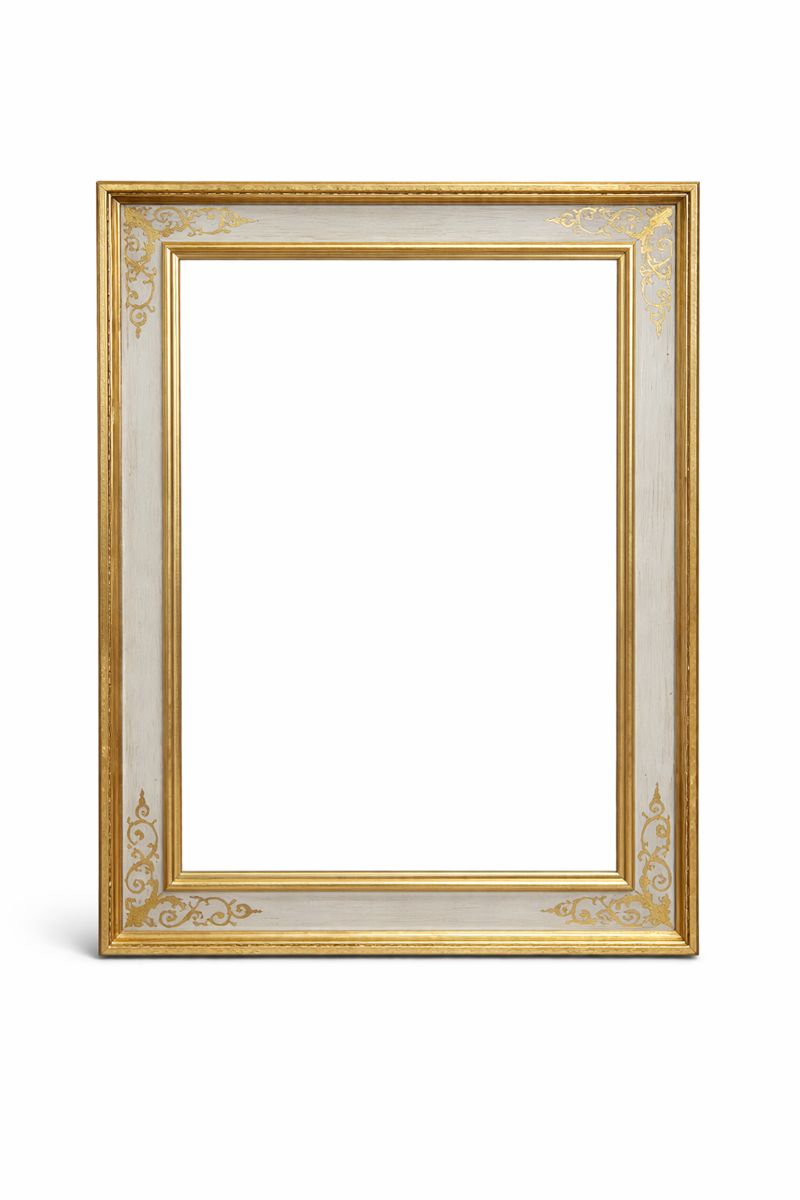
Picture Framing: The Art of Protection and Aesthetics
What picture framing really does
Every professional framing job rests on two pillars: aesthetics and protection. A frame has to bring out what matters most in a painting, its colour, its rhythm, its composition, while forming a physical barrier against light, dust, moisture and knocks. When people talk about framing in the visual arts, this is what they mean: a deliberate border that organises the visual message and, at the same time, extends the life of the work behind it.
In my workshop I treat both pillars as equally important. A beautiful frame that lets a watercolour fade in two summers has failed at half its job. A technically sound frame that overwhelms the painting has failed at the other half. The custom picture frames I build are designed to do both: present the work honestly and keep it safe for decades.
The aesthetic role of a frame
A well chosen frame does not decorate a painting. It organises it. The profile sets the border rhythm, the finish controls how light moves around the edge of the work, and the colour either quietens the composition or gives it a lift. My job is to make sure the frame emphasises the painting rather than competing with it. That principle drives my quietest designs: I built the Ombra picture frame precisely to give a painting a solid, elegant border that never pulls attention away from the art itself.
Form matters as much as finish. A round canvas asks for a border that closes the composition with a ring rather than a right angle, so for these works I make a round frame for a canvas painting with a deep, architectural profile, painted black and carrying a single narrow band of gold as its only accent.
Gilding gives me the widest room for this kind of tuning. I gild by hand with genuine gold leaf in several shades, from cool white gold and moon gold through to warm 23.75 carat yellow, laid over coloured bole. The bole, the clay ground beneath the leaf, shows through subtly once the gold is burnished, so a red bole gives a warmer glow and a grey or blue bole a cooler one. This is why two gold gilded picture frames of the same profile can feel completely different next to the same painting. If you want to understand the technique behind that glow, I describe the full process on my water gilding page, and I cover style decisions in more depth in my guide to picture frame style and aesthetics.
How a frame protects a painting
Protection is the quieter half of framing, and the one most people notice only when it is missing. In practice, a protective frame is a system of parts working together:
Glass with a UV filter. Ultraviolet light is the main cause of fading in watercolours, prints and photographs. Museum grade UV glass cuts the damaging part of the spectrum while staying optically clear, so the work keeps its colour for far longer.
A sealed, finished back. Dust and humidity reach a painting from behind more often than from the front. Proper backing and sealing stabilise the microclimate inside the frame and keep pollutants away from the paper or canvas.
A stable, handmade construction. A frame that twists or sags transfers stress to the painting. Solid timber and sound joinery prevent warping and mechanical damage, which matters most with larger formats and heavier works on canvas.
Considered visual elements. Spacers, mats and slips are not only aesthetic choices. They hold the glazing off the surface of the work, which prevents sticking and condensation damage.
I go through the canvas specific side of this in detail in my article on how a frame protects a canvas painting. For works that need the highest standard, original art on paper, valuable photographs, pieces destined for collections, I build frames to conservation standards as part of my archival and museum framing service, and I explain what separates those builds from everyday frames in my guide to conservation and specialist framing.
Built to last: solid wood and traditional joinery
Everything above depends on the frame itself staying true. I build every frame from solid timber and join the corners with traditional cabinetmaking methods, including splined mitre joints, which lock the corner mechanically instead of relying on glue and pins alone. On gilded work the timber then receives many coats of gesso, sanded back between layers, before bole and leaf go on. Where a design calls for ornament, I carve it by hand in the wood rather than casting it in composition. A good example is my carved and gilded picture frame, cut in full profile and finished with 23 carat gold leaf set against a patinated frieze.
This is slower than machine production, and it is the reason a handmade frame holds its geometry through years of seasonal humidity changes. It is also what makes each commission personal: profile, width, rebate depth, finish and gilding shade are decided for one specific painting. That is the heart of my bespoke picture frames service.
Fitting a painting yourself: the spring-plate system
A large share of the frames I make travel to clients by courier, across Poland and internationally, ready for the painting to be fitted at home. The system I use makes this genuinely simple and needs no specialist tools.
On the back of the frame I fit sprung steel plates. To fit your painting, you turn each plate aside, place the painting into the rebate, and turn the plates back over the stretcher or panel. Once closed, the springs press the painting into the frame evenly and firmly, so the work sits securely without a single screw going anywhere near the artwork itself.
The system works with thin panels and deep stretcher bars alike. When ordering, simply choose the rebate depth that matches the thickness of your painting from the menu, and if you are unsure, send me an email with the measurements and I will confirm the right option. This is how most of my clients receive their frames for oil paintings and canvases, and it pairs naturally with my framing oil paintings service when you would rather send the work to me and receive it back framed.
Frames and mirrors, one workshop
The same principles carry over to the other half of my work. A mirror frame faces identical demands: it must hold real weight without twisting, present a clean border, and survive daily life in a hallway or bathroom. I build my mirrors in frames with the same solid timber construction and hand gilding as my picture frames, so a framed mirror and a framed painting from my workshop sit together in one interior as a matched pair.
Frequently asked questions
What is the purpose of a picture frame?
A picture frame does two jobs at once. Aesthetically, it sets a border that organises the composition and directs the eye into the painting. Practically, it protects the work: the glazing blocks UV light, the sealed back keeps out dust and humidity, and the rigid construction prevents mechanical damage.
Does framing really protect a painting?
Yes, provided the frame is built as a protective system. UV filtering glass slows fading, backing and sealing stabilise humidity around the work, spacers keep the glazing off the surface, and a stable solid wood construction stops warping. A decorative frame without these elements offers only limited protection.
What glass should I choose for a framed painting?
For anything light sensitive, watercolours, prints, drawings and photographs, I recommend museum grade glass with a UV filter, ideally with an anti reflective coating so the surface stays invisible. Oil paintings on canvas are traditionally framed without glazing, which is why their protection depends on the frame construction itself.
Can I fit a painting into a frame myself?
Yes. The frames I ship are fitted with sprung steel plates on the reverse. You turn the plates aside, set the painting into the rebate, and turn the plates back. They press the work evenly into the frame, so fitting takes a few minutes and requires no tools or experience.
From understanding framing to choosing a frame
Once you see framing as protection and aesthetics working together, choosing a frame becomes a much clearer decision: you are matching a construction to a painting, not just a colour to a wall. If you are at that stage, my guide on how to choose the perfect picture frame walks through the decision step by step, and if you already know what your painting needs, write to me with its dimensions and I will suggest a profile, finish and rebate depth to suit it.