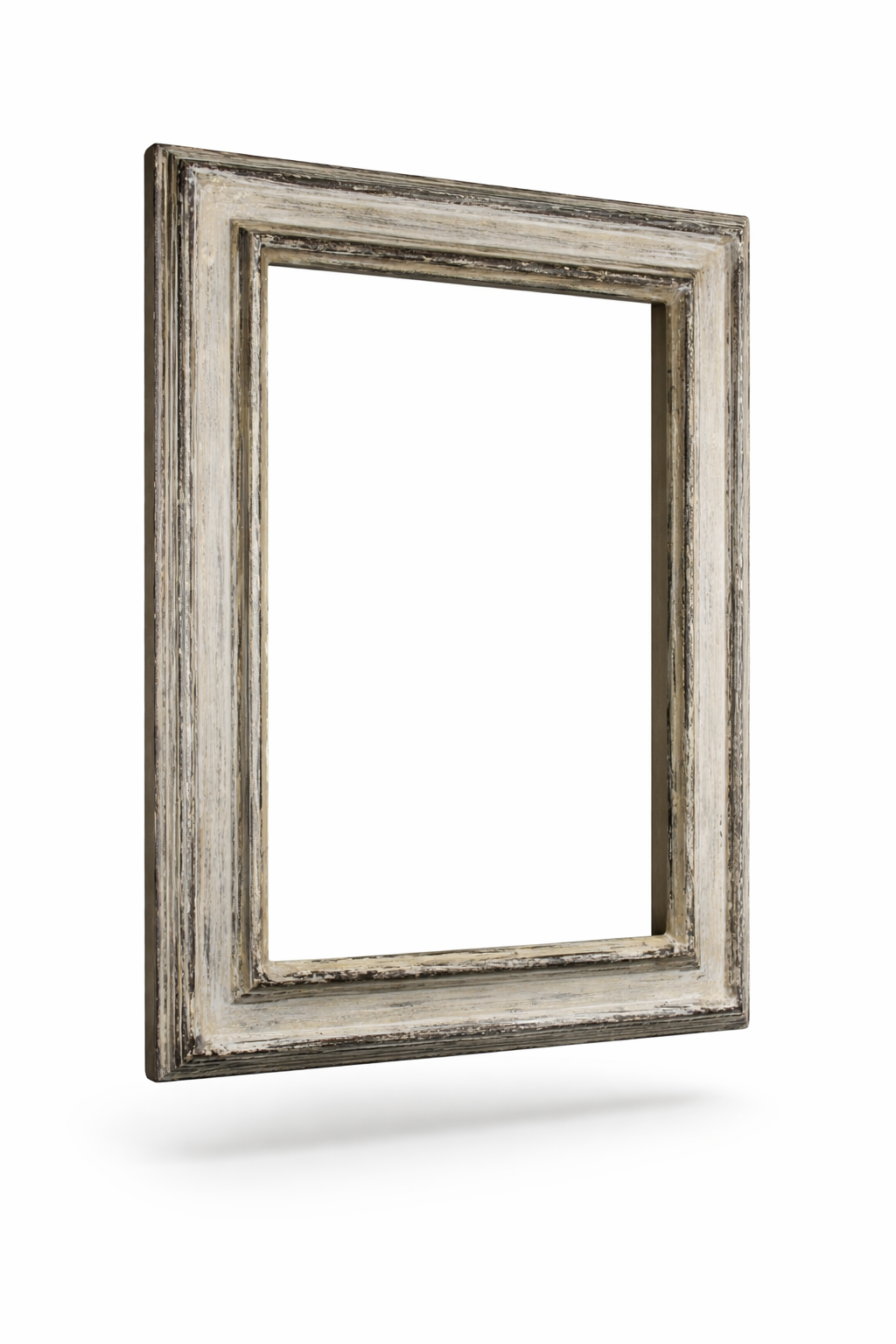
Fundamentals of Framing Artworks
Framing artworks is not just a matter of aesthetics — it’s a conscious way to protect a piece from the passage of time and the effects of external factors. In practice, it is an art that combines technical knowledge, visual sensitivity, and years of craftsmanship. The choice of materials, construction, and techniques plays a crucial role, as these determine whether a frame will be durable, functional, and visually consistent with the artwork.
A well-designed frame should correspond to the visual form of the piece, the technique in which it was created, and the conditions in which it will be displayed. Proper framing affects not only the longevity of the artwork but also the overall aesthetics of the interior, emphasizing its character and bringing visual order to the space.
Custom-made frames are becoming increasingly popular — and for good reason. They allow for aesthetic and proportionate framing without compromise, with full respect for the scale and form of the artwork. A precisely fitted frame maintains harmony between the piece and its setting, which is particularly important in the case of non-standard formats that require an individual approach. Custom framing also provides the opportunity to select different materials, finishes, and colors, tailored to both the style of the artwork and the interior it will inhabit.
Professional framing is a process where every detail matters. The material, texture, color, proportions, and finish must form a coherent whole. Only then does the frame become a thoughtfully designed part of the composition rather than a random addition. High-quality framing brings out the best in the work — its beauty, rhythm, and depth — without overpowering it. This applies equally to classical paintings and contemporary works, including canvas paintings that require a stable, well-constructed frame.
In my framing studio, you can find a wide range of frames and technical solutions that make it possible to match each artwork with the perfect frame. Choosing the right frame is not just a matter of taste, but also of understanding materials, techniques, and the purpose of the piece. A properly designed frame protects the back of the artwork, stabilizes the structure, and creates a sense of visual harmony and balance.
I always recommend treating the frame as an integral part of the artwork’s presentation. A well-chosen frame not only protects the piece but also provides the right visual context, allowing the artwork to exist consciously and timelessly within the space. This is where technique meets aesthetics — and craftsmanship meets artistic sensitivity.
How to Choose the Right Frame for Your Artwork
Selecting a frame can be compared to a deliberate design process that requires an understanding of composition and the unique character of the artwork. This is where the art of framing meets craftsmanship and material expertise. Whether you’re framing a classical painting or a contemporary print, the frame should enhance the message of the piece and complement the surrounding interior.
A Few Practical Principles:
Classic, ornate frames – Perfect for traditional works such as portraits, landscapes, or art inspired by old masters. These frames are often chosen by artists and collectors connected with the fine arts. The frame here defines the boundary between the artwork and its environment, giving the piece a sense of dignity and permanence.
Modern, minimalist frames – Work best with graphics, photographs, and contemporary art. Their role is to complete the composition discreetly without dominating it. Simplicity of form and precision of execution make the frame a neutral yet deliberate finishing touch.
Balance between frame and artwork – The frame should amplify the artwork’s expression, not compete with it. Both form and proportion must remain in harmony with the piece. Only then does the framing bring structure and visual coherence.
Quality of materials and construction – This directly affects the durability and appearance of the artwork. Frames made from solid wood, precisely crafted and properly finished, not only look better but also protect against moisture, dust, and mechanical damage — crucial for long-term display.
The final choice of frame should consider both aesthetic and practical aspects of exhibition. A wide range of frame profiles and finishes allows each piece to be presented in a way that reflects its nature and artistic intent. Frames are assembled to ensure stability and easy mounting, so that each work remains secure and perfectly displayed for years.
I always treat framing as an essential part of an artwork’s presentation. A well-designed frame organizes the composition, strengthens its visual message, and ensures that the artwork harmoniously fits both its own character and the interior in which it is displayed.