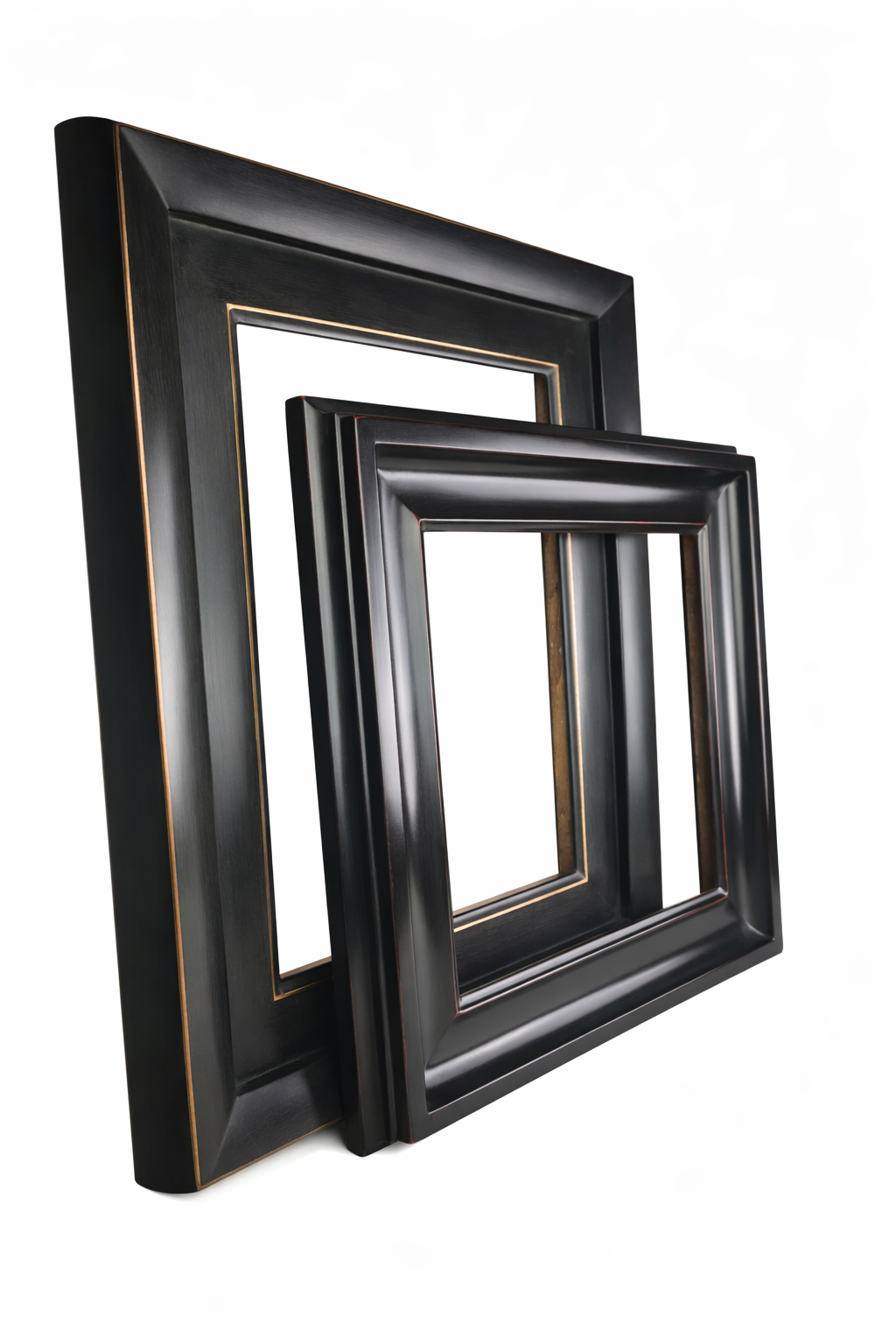
Picture Framing: Techniques, Materials, and Professional Solutions
Fundamentals of Picture Framing
Picture framing is not only a matter of aesthetics, but also a deliberate way of protecting an artwork against the passage of time and the harmful effects of external factors. In practice, it combines technical knowledge with visual sensitivity. Choosing the right materials, construction methods, and techniques is important. This helps create a frame that fits the artwork, its style, and the display conditions. A well-designed frame influences not only the durability of the work, but also the aesthetics of the interior in which the artwork is presented.
Custom-made frames are becoming increasingly popular—and for good reason. Such solutions make it possible to precisely match the frame size to the exact format of the artwork, without compromises or accidental proportions. This is especially important for non-standard works, where the framed artwork requires an individual approach. A frame made to order also allows for full alignment with the style of the artwork, its color palette, and the character of the interior. Professional framing is the art of combining functionality with aesthetics—every detail matters: material, texture, color, proportions, and the method of finishing. All these elements should form a coherent whole, in which the frame is clearly perceived as an intentional part of the composition rather than a random addition.
How to Match a Frame to the Style and Format of an Artwork
Selecting a frame can be compared to a thoughtful design process that requires an understanding of compositional principles and the character of the artwork itself. Whether dealing with beautiful fine art pieces inspired by tradition or contemporary works, the frame should support the artwork’s message. In practice, it is worth following a few key guidelines:
Classic, richly ornamented frames — ideal for artworks with a traditional character, such as portraits, landscapes, or works inspired by historical painting. These types of frames are often associated with artists educated at institutions such as academies of fine arts, where great emphasis is placed on the relationship between the artwork and its frame.
Modern, minimalist frames — perfectly suited to graphics, photography, and contemporary art. Their role is to discreetly complete the composition without dominating the artwork itself.
Balance between the frame and the artwork — the frame should enhance the message of the piece, not compete with it visually. Both the form and the frame size must remain in proportion to the artwork.
Quality of materials and construction — a solid frame made of solid wood, properly prepared, not only looks better but also effectively protects the artwork from moisture, dust, and mechanical damage, directly influencing the longevity of framed works.
The final choice of a frame should combine aesthetic values with the practical requirements of display. A well-designed frame allows the artwork to be mounted without difficulty and remain stable for many years.
The Importance of Aesthetics and Protection in Framing
Aesthetics and protection are the two pillars of every professional framing solution. A frame is meant to bring out what is most important in an artwork—color, rhythm, and composition—while at the same time acting as a physical barrier against external factors. A properly designed frame incorporates a range of accessories that together form a coherent and durable system of protection.
In practice, this includes:
Protective glass with a UV filter — reduces the harmful effects of light and protects the surface of the artwork from fading.
Appropriate finishing and sealing — protect the back of the framed artwork from dust and moisture, helping to stabilize its storage and display conditions.
Stable construction — prevents deformation and mechanical damage, especially in the case of larger formats.
Thoughtful visual alignment — ensures that the artwork is clearly and aesthetically perceived both today and in the years to come.
Framing is not merely decoration, but a conscious decision that affects the durability and presentation of an artwork. A well-chosen frame organizes the visual space of the piece, protects its structure, and allows it to function harmoniously within both the interior and the passage of time.