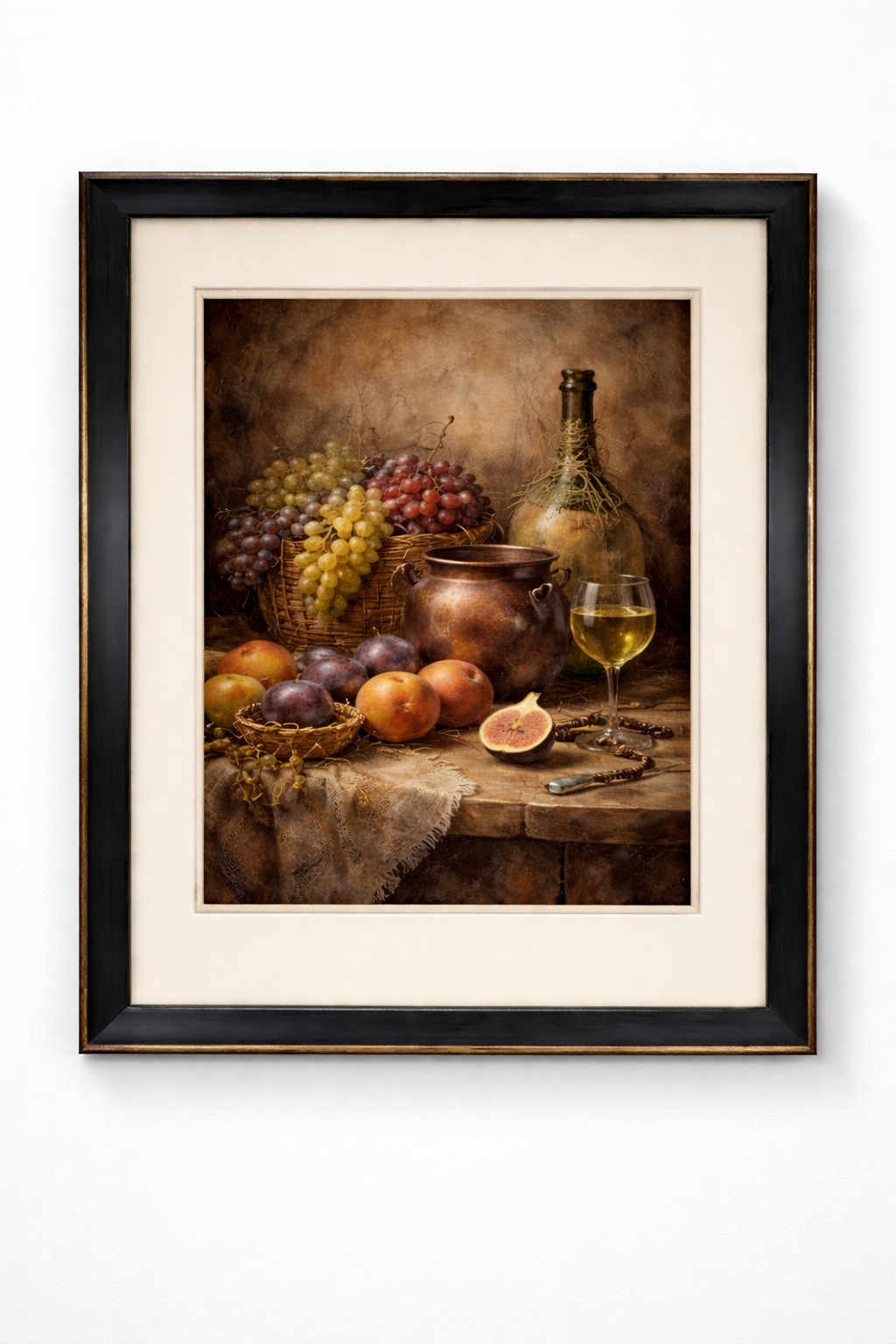
How to Choose the Perfect Frame for Your Artwork
Selecting the right frame is not just a decorative decision—it is a structural and visual choice that directly affects how an artwork is perceived. A properly chosen frame enhances composition, supports color balance, and ensures long-term protection. Whether you are selecting frames for paintings, prints, or photography, the decision should be based on clear technical and aesthetic criteria rather than impulse.
When choosing a frame, consider three core factors:
-
Style – alignment with the artistic period, technique, and interior design
-
Color – relationship to the dominant tones of the artwork and wall color
-
Material – durability, weight-bearing capacity, and resistance to warping
For posters and decorative prints, lightweight picture frames often provide the most practical solution while maintaining visual clarity.
Matching the Frame Style to the Artwork
The frame style should support the artistic language of the piece.
-
Traditional oil portraits and impressionist landscapes benefit from retro-style frames or classical mouldings that reflect historical aesthetics.
-
Contemporary and abstract compositions are best complemented by modern frames or minimalist frames with clean lines and neutral finishes.
-
Family photography works well in subtle photo frames that do not overpower the image.
A wooden frame is often preferred when a natural, timeless finish is desired, especially in interiors emphasizing organic materials.
Choosing the Right Frame Color
Color selection should be based on the dominant tones within the artwork rather than secondary accents.
-
Black frames strengthen contrast and visually anchor bold compositions.
-
Gold frames complement warm-toned classical works and traditional interiors.
-
A pure gold tone creates brightness and definition, while an aged gold patina softens the effect and adds historical depth.
-
Silver tones are commonly used for monochromatic or contemporary pieces due to their neutral character.
Lighting conditions and wall color must also be considered, as they influence how the frame interacts with the artwork and surrounding space.
Material and Structural Considerations
Material quality determines both aesthetic value and durability.
-
Pine wood frames are lightweight and suitable for medium-sized works.
-
Exotic wood frames offer higher density and distinctive grain patterns.
-
Large artworks benefit from wider wooden mouldings to ensure structural stability.
Frames available in various moulding widths allow for proportional balance—larger artworks require broader profiles to maintain visual harmony. High-quality finishing also strengthens corner joints and increases resistance to damage over time.
Specialized Applications
Some artworks require tailored solutions:
-
Frames for diamond paintings accommodate textured surfaces.
-
Frames for quotes prioritize typography visibility.
-
Shadow box frames are suitable for memorabilia and three-dimensional objects.
-
Patina-finished frames enhance classical or vintage aesthetics.
-
Mirror frames must support greater weight and structural stress.
A broad selection of wooden frames ensures adaptability for both decorative and functional purposes.