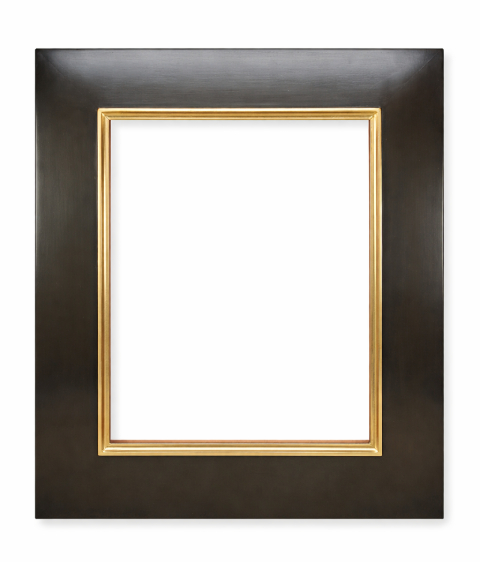
Picture Frame Style and Aesthetics: A Practical Guide
The style and aesthetics of a frame are key factors that can significantly influence how a work of art is perceived. Choosing the right frame style is not simply a matter of personal taste — it's also a way to highlight the character of the painting and the interior it inhabits. Let's explore the range of frame styles that can help create a cohesive and harmonious arrangement.
If you'd like to learn the basics of choosing a frame, read our guide: What Frame to Choose for a Canvas Painting.
Classic and Modern Frame Styles
Classic and modern frames each offer a wide range of possibilities for interior arrangement. Classic frames are characterised by rich ornamentation and a traditional appearance, making them an ideal choice for works with a conventional, timeless character.
It's worth keeping in mind that classic paintings can also be framed in modern profiles — particularly when the goal is to create a stylistic contrast or achieve a more contemporary visual effect.
Classic frames often emphasise elegance and timelessness, making them well-suited to traditional artworks and arrangements where the aim is to frame the piece in a way that reinforces its value.
Modern frames, on the other hand, stand out for their minimalist design and are frequently made from metal, making them a natural fit for contemporary works of art. That said, contemporary pieces can also be framed in wooden profiles or shadow frames — meaning the choice of framing depends not only on the style of the artwork, but also on the effect you want to achieve.
The simplicity and elegance of modern frames complement contemporary paintings without overpowering them, making it easier to present them in a subtle and visually refined way.
Rustic and Minimalist Finishes
Rustic and minimalist frame finishes are two distinct styles that can each give an interior a unique character. Rustic frames are defined by their natural, aged appearance — often crafted from wood — which makes them a seamless fit for interiors with a more traditional or cosy atmosphere.
Their authentic look enhances the character of the painting and makes it easier to integrate the artwork into a warm, inviting space. This effect comes largely from the natural structure of the wood and its irregular surface, which visually warms the composition and lends it a more genuine, organic quality.
Minimalist frames, by contrast, feature clean geometric shapes that suit modern interiors perfectly. A minimalist frame works especially well when the priority is to let the artwork speak for itself, without any additional decorative elements competing for attention. Their understated quality ensures that the right frame doesn't dominate the piece — it simply enhances it.
Matching Frame Style to Interior Style
When choosing a frame for a work of art, the interior design of the room should serve as your key point of reference — after all, that's the space where the painting will live. The frame style should harmonise with the overall interior, creating a cohesive and visually pleasing result.
This means considering the colour, profile width, and style of the frame in relation to both the composition of the painting and the character of the room.
Classic interiors can gain in elegance through richly ornamented frames that reinforce their traditional character. In such arrangements, classic frame colours that complement the decorative elements of the room — and work in harmony with the tones of the painting — tend to work particularly well.
In modern spaces, frames with simple, geometric forms are a better fit. In these cases, it's important that the frame suits both the artwork and the overall arrangement. The most effective approach is often a subtle one — a simple form, a neutral colour, and no ornamentation that might draw attention away from the piece itself.
How to Match Frame Style in Practice
In practice, choosing the right frame means considering not just style, but also proportion. The dimensions of the painting and the size of the frame should work together cohesively. For larger works, a bigger frame or a wider profile is often used, as the right profile width helps visually stabilise the composition.
For canvas paintings, canvas frames are a particularly good solution — they preserve the three-dimensional quality of the work. These frames are especially popular in modern arrangements where simplicity and quality of finish are paramount.
It's also worth remembering that a well-chosen frame is not just about aesthetics — it also serves a functional purpose, protecting the artwork from mechanical damage, particularly along the edges of the canvas. In reality, a frame primarily protects the canvas edges and the stretcher bar, rather than shielding the surface of the painting from light or moisture.
Ultimately, the frame defines how the artwork is presented and influences how it is experienced in the space. It affects the viewer's perception of the piece, its visual proportions, and its relationship with its surroundings. That's why every frame should be chosen thoughtfully — so that it enhances both the artwork and the space it calls home.